











Reading time 3 minutes / Lars Buchwald / 01/22/2026
Seminars that are more than just door opening
Contents of the article
→ Why good tools alone are not enough
→ Seminars as an answer to growing demands
→ More than a certificate – knowledge that stays up to date
→ Understanding technology instead of just applying it
→ Responsibility in handling tools and situations
→ Learning from practice – why experience is crucial
→ Personal insights: what good training really delivers
→ Our training providers – knowledge from real-world operations
→ Why continuing education is not an option, but a requirement
→ Conclusion: learning begins where tools end
If you have been working with opening techniques for a while and are not just dealing with the subject on the side, you quickly realize that good tools are important, but only one part of the bigger picture. Doors and their security standards are constantly evolving, cylinders are becoming more complex, materials harder, and everyday requirements more demanding. A lot has also changed in the security industry across all its fields in recent years, and overall it has become more secure. This is exactly where seminars and training come into play, regardless of whether you come from the first responder sector, work as a locksmith, are a facility manager, or simply have the ambition to do your job cleanly and responsibly.
More than just a certificate on the wall
We do not recommend training because the certificate looks good on the wall after successful completion, but because experience shows how quickly even knowledge built up over many years can become outdated. Techniques that worked reliably just a few years ago often reach their limits today. That is why good seminars are no longer just about opening doors. They are about understanding, recognizing connections, and being able to assess situations correctly.


More than just technology – safety, experience, and responsibility
A key aspect that repeatedly plays a central role in training is the safe and professional handling of tools. Not everything that is technically possible is automatically sensible or appropriate. Professional, clean work means avoiding damage, identifying risks early, and knowing when it is better to take a step back. This is especially critical in a professional environment, where responsibility is carried – for materials, for property, and ultimately for people. Seminars provide exactly this framework. They create confidence in action and sharpen awareness of what is really happening at the door. New designs, evolving security concepts, or special installation situations cannot be learned purely in theory. You need to see them, handle them, try them out, and be able to put them into context. And that is precisely where real-world experience becomes essential.
And it is simply true – learning never stops
Over time, I have attended several seminars myself, and each time I went home with the feeling that I had taken away more than originally expected. It is often not just new techniques, but conversations, small insights, practical examples, or ways of thinking that later make the difference in everyday work. You learn from each other, not just from the instructor, and that is exactly what makes good training so valuable. It is always a great feeling to be in a room with many professionals and to exchange ideas again and again along the way.
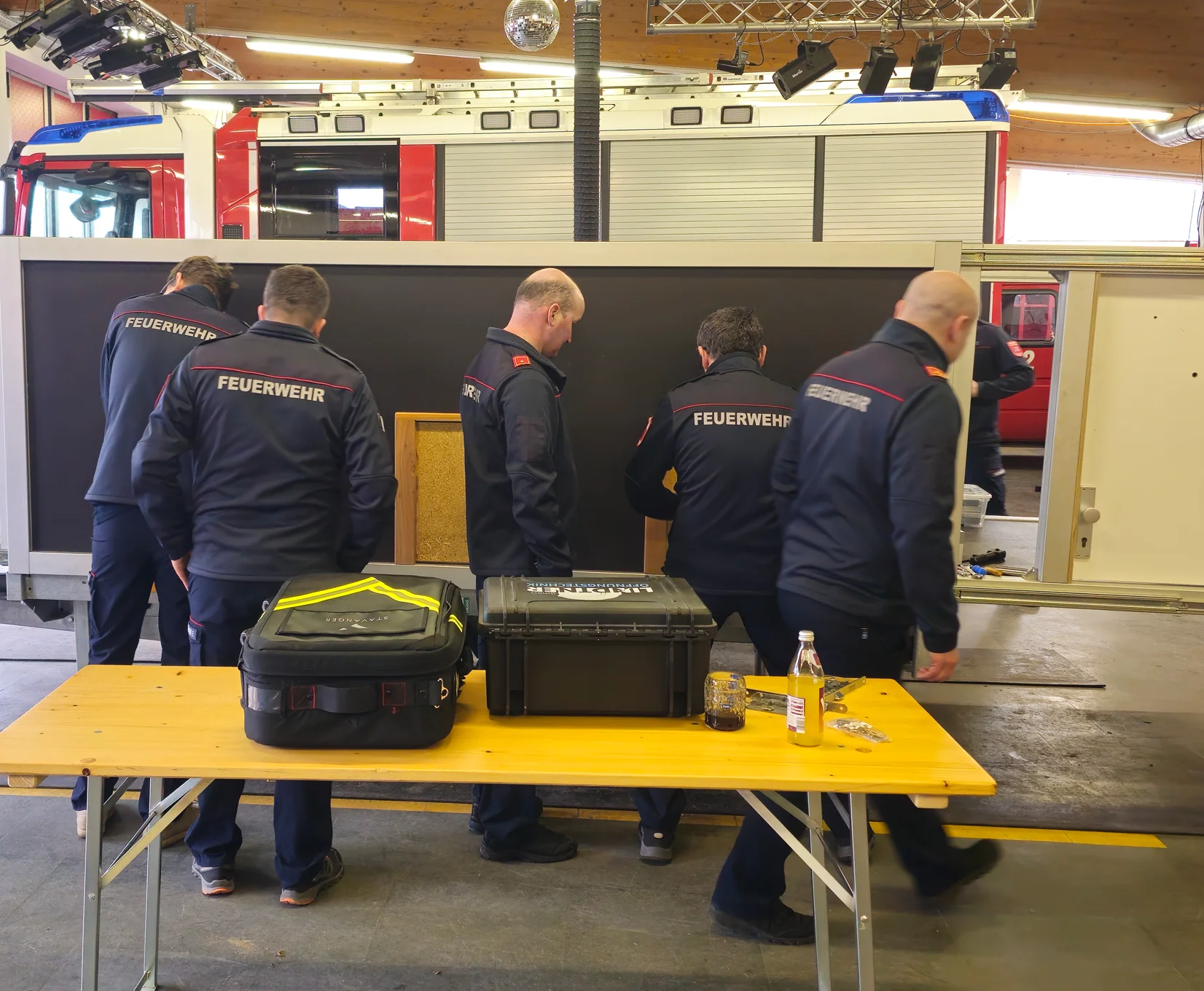
Our training partners – professionals who know what they are talking about
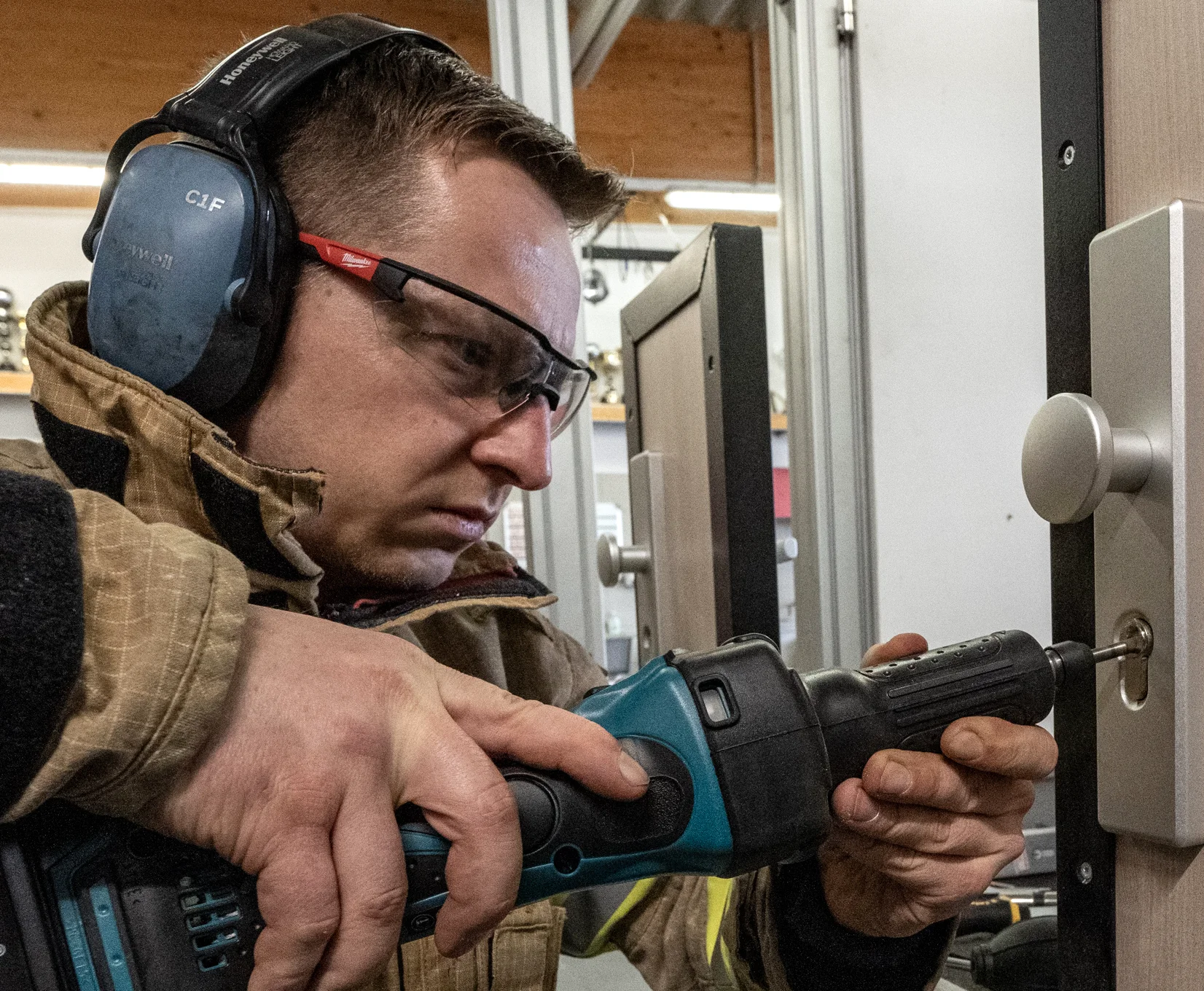
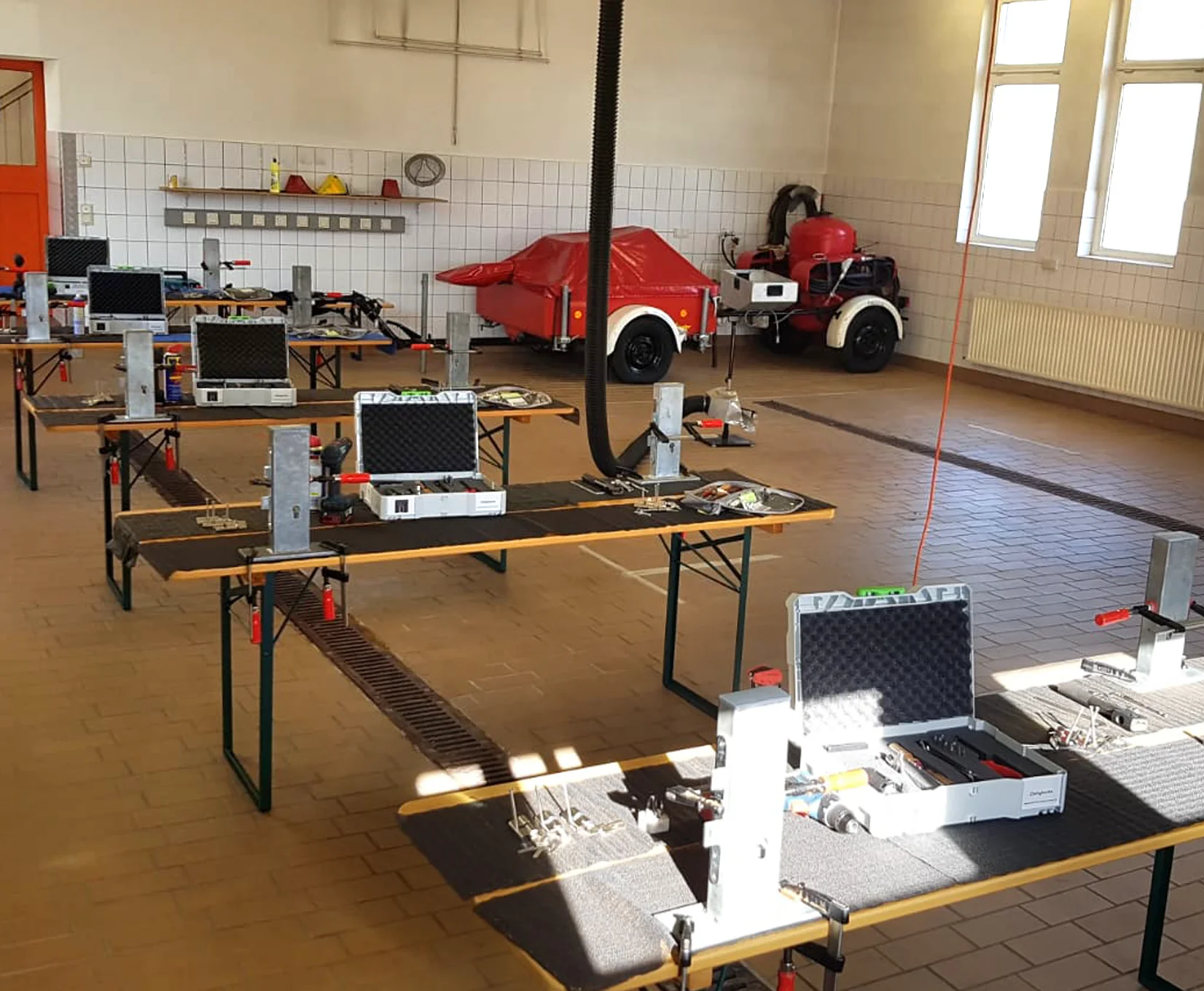
At Multipick, we work with five selected training providers who all come from hands-on practice and know exactly how theory and reality at the door can differ. This is not about abstract or made-up scenarios, but about real situations, genuine challenges, and knowledge that holds up in everyday work and will directly support you.
These partners stand for solid expertise, responsible instruction in opening techniques, and a clear commitment to quality in training. We are proud of this collaboration and consciously recommend these seminars because they are convincing in terms of content and reflect our own standards for clean, professional work.
Don’t overthink it – just sign up
Seminars are an essential part of responsible professional work. Anyone who wants to work safely, cleanly, and professionally in the long term cannot avoid continuing education. That is exactly why we at Multipick make a clear recommendation. Learning does not end with the purchase of a tool – that is often where it truly begins. If you are based outside Germany, we strongly encourage you to look for a suitable training provider in your own country. Associations and guilds, recommendations from the security and technology community, as well as official directories and event calendars from industry organizations can be very helpful.
Our recommended seminars take place throughout Germany and Austria. On our website, you will find all the relevant information about course duration, content, and specialization. You can find our training partners here: https://multipick.com/de/schulungen/

FAQ – everything you need to know
1. Why are experience and good tools alone no longer sufficient today?
Because doors, cylinders, and security concepts are constantly evolving. Materials are becoming harder, mechanisms more complex, and installation situations more demanding. Experience remains important, but without regular updates it quickly loses relevance. Seminars help realistically assess your own level of knowledge and keep it up to date.
2. Who are training courses in opening techniques suitable for?
Not just for first responder units or locksmiths. Facility managers, technical services, security officers, and technically ambitious practitioners also benefit. What matters is not the profession, but the commitment to working cleanly, responsibly, and safely.
3. Are seminars really only about opening doors?
No. Modern training focuses primarily on understanding. How the mechanics actually work, where the limits are, and what risks arise from incorrect approaches. Door opening is only one part; assessing situations, preventing damage, and making sound decisions are at least just as important.
4. Why do opening techniques become outdated so quickly?
Manufacturers continuously respond to known methods. New pin designs, protective mechanisms, and construction approaches ensure that older techniques no longer work reliably. What used to be routine can today, in the worst case, cause damage or fail completely.
5. What distinguishes good seminars from pure technical training?
Good seminars do not just explain the “how,” but above all the “why.” They show relationships, real-world limits, and typical mistakes from practice. The goal is not maximum opening speed, but controlled, transparent, and responsible work.
6. What role does responsibility play in training?
A very significant one. Not every technically possible opening is sensible or justifiable. Training sharpens awareness of when restraint is appropriate and how damage, risks, and follow-up costs can be avoided, especially in professional environments.
7. Why is hands-on practice more important than pure theory?
Because real doors, cylinders, and installation situations cannot be fully understood in theory alone. You need to see, feel, and experience the mechanics. Only through practice does a realistic understanding emerge of what actually happens at the door.
8. What do participants take away from seminars besides new techniques?
Often it is small tips, ways of thinking, or shared experiences from conversations that make the biggest difference in everyday work. Exchanging ideas with other professionals broadens perspective and helps critically question established routines.
9. How can you recognize reputable training providers?
Reputable providers come from hands-on practice, work with realistic scenarios, and convey knowledge responsibly. It is not about showmanship or spectacular methods, but about content that works in the long term and holds up in real-world use.
10. Why is continuing education not a one-time topic?
Because learning in the security field is never finished. New products, new concepts, and new risks require continuous adaptation. Continuing education does not start with buying a tool – it accompanies the entire professional journey.
About the Author
Lars Buchwald has been an integral part of the Multipick team since 2006, where he dedicates his passion and expertise to marketing and graphics. As a trained graphic designer and copywriter, he brings a wealth of experience and creativity to his work, which enables him to convey the messages of the ingenious tools in an appealing and convincing way. With a keen sense for the needs of the target group, he steers Multipick's marketing fortunes. His commitment is characterized by a high degree of sensitivity and the right richer at the right time.
As a native of Bonn, Lars not only has close ties to the region, but has also firmly integrated his passion for marketing spear tools into his professional work. His attachment to the city is reflected in his work and gives his marketing campaigns an authentic, Bonn touch.
Related Articles
Common Myths About Burglary Protection
That only happens to other people …
Lockpicking in the EU
Lockpicking in the EU: Differences in National Laws – and What Really Happens
Locksmith Services – A Good Reputation Opens Doors
"You're honest, aren't you?" – A Question Loaded with Meaning
About Multipick
Multipick was established here in Bonn in 1997 and has had its headquarters and production facilities here on the Rhine ever since.
Why should we leave here? Anyone who has been here before will agree that it is a very beautiful place and that the people are ‘typically Rhineland’, open-minded and friendly. From an early stage, we began to occupy ourselves with a wide variety of entry tools. We tried out lock snappers and core extractors such as the Bell and gathered a wealth of experience with a wide variety of tools. Whether it was a lock pick set or special tools for fire brigades and locksmiths, in the end the door or window had to be opened. In line with the motto, you got the problem and we got the solution.
Many tools, irrespective of hobby or professional, are dispatched from our warehouse to destinations throughout the world.
Opening tool kits for caretakers and locksmiths, pick sets and lock picking accessories for Locksport enthusiasts and Hobbs hooks for specialists to unlock locked safes. There are thousands of different ways to deploy our specialised tools. Our TFG latch plates and key turners allow a closed door to be reopened. QA Pro 2 and our V-Pro core pulling screws can be used to open a locked door. We also offer milling burrs and drill bits for those situations where there really is no other way. Many useful aids such as MICA opening cards, wedges, door latch spatulas, door handle catches and spiral openers, which are all useful tools to help you get the job done. But even if things get a bit complicated, you are in good hands with us. Products such as the Kronos and Artemis electric picks are our top highlights. Anyone who likes to open dimple locks or disc locks will be delighted with the ARES system. For opening windows, we offer you a range of top products from Kipp-Blitz. Favoured by emergency services such as the fire brigade, THW (Federal Agency for Technical Relief) and police. Many of our tools are manufactured in-house. This gives us the liberty to manufacture quickly and in a customer-orientated manner. No lengthy supply chains and subcontractor dependencies. This has a number of advantages both for you and, of course, for our environment. One big advantage is that you get everything from a single source, enabling us to offer you consistent quality. This is also our promise to you, all from a single source, Made in Germany, Made in Bonn - promised.

