







Reading time 3 minutes / Lars Buchwald / 01/08/2026
Superglue in the Lock
Contents of the Article
→ Superglue in the lock – not a prank, but property damage
→ Why a tampered lock can quickly become dangerous
→ What actually happens inside the lock
→ First check: how to recognize superglue
→ Situation 1: door not locked – how to act correctly
→ Situation 2: door locked – what still makes sense now
→ When only a locksmith or the fire department can help
→ Legal classification: property damage and liability
→ How to reduce the risk of glue attacks
→ Warning about home remedies and internet myths
→ Stay calm, limit the damage, respond correctly
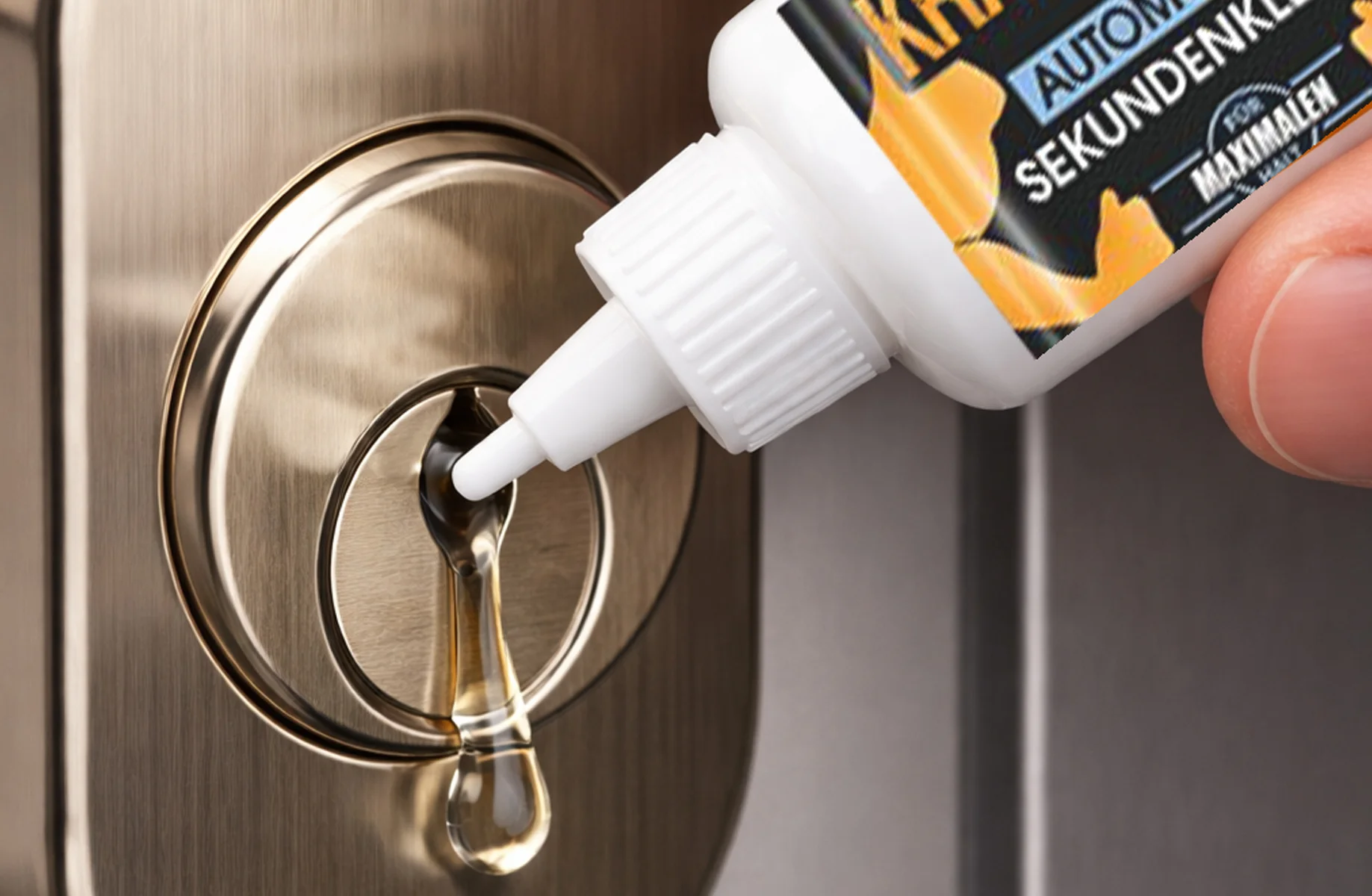
The key can be inserted only with difficulty and cannot be turned at all. Especially if there are traces of a substance sticking to the cylinder that are not immediately identifiable, alarm bells should ring right away. Superglue in the lock is deliberate property damage and affects private doors just as much as company buildings, garages, or mailboxes. What some dismiss as a prank is in reality a direct attack on your property, with potentially serious consequences.
What may seem like a joke to some is, in reality, costly property damage
If the lock can no longer be operated, this can mean a complete loss of access: apartments or business premises become unusable, employees or residents are left standing in front of locked doors, deliveries cannot be accepted, and in an emergency, escape and rescue routes may be blocked. In many cases, the only option is to replace the entire lock cylinder or even the whole lock, often combined with an emergency opening by a professional. This leads to costs, lost time, and in a commercial environment not infrequently to business interruptions or security risks. The situation becomes particularly critical when fast access is required, for example in medical emergencies, fires, or technical failures. In such cases, a manipulated lock can turn property damage into a real safety hazard. Thankfully, neither I nor any of my acquaintances have fallen victim to such a malicious act. In this article, I want to address this issue and share a few tips. Even though I have to say upfront that the chances of resolving this situation without significant effort and expense are very low.


What actually happens inside the lock after superglue is introduced
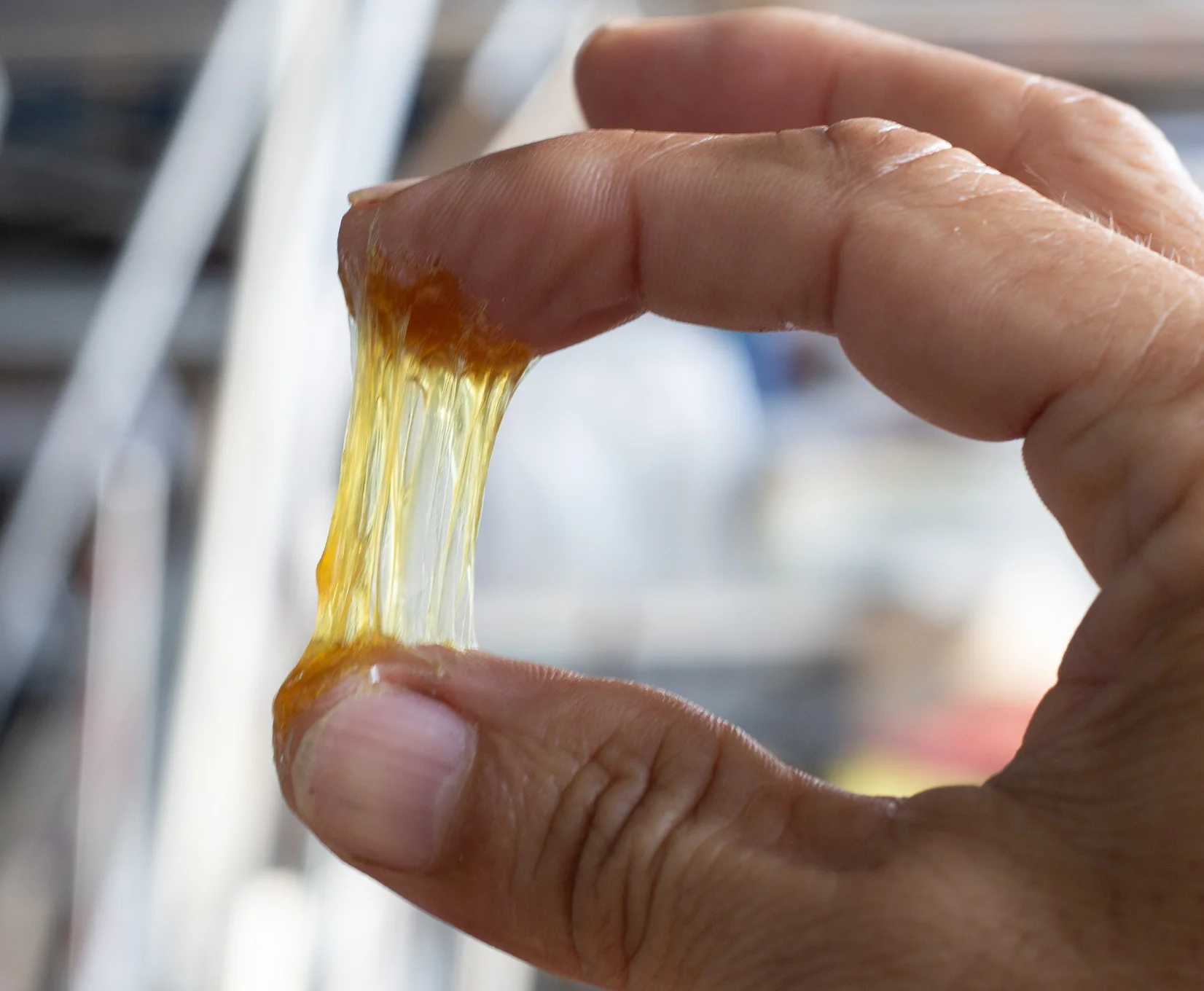
Superglue hardens through moisture. Inside a lock cylinder, normal air humidity is enough to block the mechanism within a very short time. Pins, springs, and the core bond together. The lock is no longer stiff, it is mechanically blocked. The lock is damaged and must be replaced. Repair is only possible in very rare cases, if at all.
So what should you do in a situation like this?
Important! Check first – before you act.
Take a moment and clarify:
• Can the key be fully inserted
• Does the resistance feel unusually hard or sticky
• Were there no previous signs of wear
• Can the key not be moved at all or only minimally
Please do not use force under any circumstances. This will only make the situation worse. A cylinder you operate regularly is familiar to you. You know how it feels and how it should be handled. If this suddenly changes, act with caution.

Situation 1: The door is not locked
This is the best possible starting point.
What you can do right now
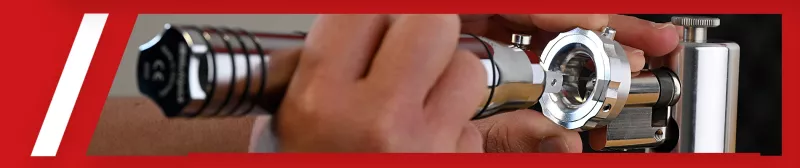
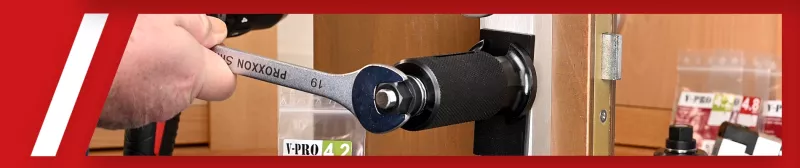
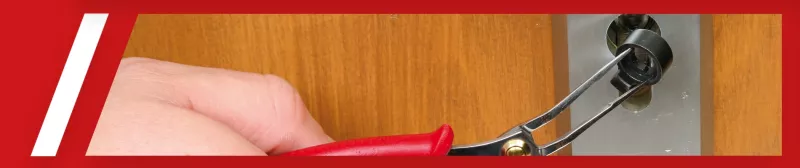
Carefully open the door. Secure it so it cannot slam shut. Do not continue using the lock. In this condition, the lock cylinder can usually be replaced without causing additional damage. Depending on the type, you may be able to remove the lock case and replace the cylinder. This is time-consuming and requires both skill and the right tools. The necessary tools can be found in our shop.
What you should avoid
Do not continue turning or moving the key. Do not put any substances into the lock. Any attempt to “dissolve” the glue will spread it further inside and make replacement more difficult.
Situation 2: The door is locked
Restraint is crucial now.
What you can do immediately
Absolutely avoid using force. Check alternative access points such as windows, balcony doors, basement, or garage. The goal is not to open the lock, but to regain access without increasing the damage.
If no access is possible
The cylinder is blocked and will have to be replaced. Any further attempts on your own increase the risk of a broken key, damaged fittings, or additional costs to the door. In this case, only a locksmith can help, or if it is a life-threatening emergency, the fire department.
Legal classification
Superglue in the lock constitutes property damage under Section 303 of the German Criminal Code (StGB). Even the attempt is punishable. The person responsible is liable for all resulting costs, including replacement and installation. Filing a police report is advisable, especially for rental properties, businesses, or shared buildings. Insurance companies often require documentation of the damage.
How to reduce the risk
Vandalism cannot be completely prevented, but it can be made more difficult. High-quality lock cylinders with a narrow keyway offer less surface for attack. Protective escutcheons with a small opening also help. Good lighting in the entrance area has a deterrent effect. Awareness in apartment buildings significantly reduces the risk.
Warning about internet myths and home remedies
Numerous tips circulate online promising quick help. Water, heat, or acetone are mentioned particularly often. These methods may sound plausible, but in practice they do not help. Water does not dissolve the glue, it triggers further reaction. Inside a lock, this leads to additional hardening or corrosion. Heat cannot be applied in a controlled way to an installed door. Lock cylinders contain delicate springs, plastics, and lubricants. Heat reliably damages these components and often the door leaf or hardware as well. Acetone can theoretically soften superglue. In an installed condition, however, it does not reach the relevant areas in a targeted way. Instead, it attacks surfaces, lubricants, and adjacent materials. The common problem with all of these approaches is that they create hope and promise a quick fix, but almost always lead to greater damage. What works in a laboratory or on a workbench cannot be transferred to a real door.
Superglue in the lock is not a case for experiments.
This is deliberate property damage, and incorrect measures often significantly increase the extent of the damage. Those who stay calm, avoid making things worse, and assess the situation correctly remain in control and save costs. Not acting at any price, but responding correctly, that is the decisive difference.
For exactly such situations, Multipick offers a range of specialized tools designed for damaged or blocked lock cylinders. In addition, well-thought-out opening kits and sets are available that can help in urgent emergencies, provided the necessary basic knowledge and understanding are in place. They are designed to minimize damage, save time, and keep you capable of acting when quick decisions are required.

FAQ – everything you need to know
1. How can I tell if there is superglue in the lock?
Typical signs include unusually hard resistance when turning the key or a sticky feeling when inserting it. Often the key can still be fully inserted but barely moves or does not move at all. Visible residue on the cylinder is possible but often absent, the actual damage is usually inside.
2. Is superglue in the lock always a total loss?
In most cases, yes. Superglue hardens quickly inside the cylinder and permanently bonds pins, springs, and the core. Repair is only conceivable in very rare exceptions and is usually not economically viable. Replacing the lock cylinder is almost always the realistic solution.
3. Can I still use the lock if it only feels slightly blocked?
No. Every further attempt to turn the key spreads the glue deeper inside and increases the damage. What initially feels only stiff can become completely blocked within just a few movements. In this condition, the lock should be taken out of service immediately.
4. What mistakes do people most commonly make in this situation?
The biggest mistake is actionism: forcing the key, spraying household remedies into the lock, or trying to “flush out” the glue. These measures almost always make the damage worse. Internet tips may sound tempting, but in practice they rarely work.
5. Is superglue in the lock a criminal offense or just a stupid prank?
It is clearly property damage under Section 303 of the German Criminal Code (StGB). Even the attempt is punishable. The person responsible is liable for all consequential costs, including emergency opening, replacement, and installation. Especially for businesses or rental properties, filing a police report is strongly recommended.
6. What should I do if the door is not locked?
Carefully open the door and secure it so it cannot slam shut. Do not continue using the lock. In this situation, the lock cylinder can usually be replaced without additional damage. This saves time and money and avoids a costly emergency opening.
7. What is the correct approach if the door is locked?
Restraint is crucial now. Completely avoid using force. Check alternative access points to regain entry to the building. If no access is possible, only a professional opening by a locksmith remains, or in cases of imminent danger, the fire department.
8. Does insurance cover damage caused by superglue in the lock?
That depends on the insurance policy. Property damage due to vandalism is often covered, but insurers usually require documentation and a police report. For businesses or multi-unit buildings, proper evidence preservation is particularly important.
9. How can I protect myself against such attacks?
There is no absolute protection, but high-quality lock cylinders with a narrow keyway, suitable protective escutcheons, and good lighting of the entrance area significantly reduce the risk. Awareness in the surrounding environment is often more effective than any technical measure.
10. Why are home remedies like water, heat, or acetone not a solution?
These methods only work theoretically under laboratory conditions. In an installed lock, they do not reach the relevant areas in a targeted way. Instead, they further harden the glue or damage the mechanism, lubricants, and surfaces, resulting in significantly higher follow-up costs.
About the Author
Lars Buchwald has been an integral part of the Multipick team since 2006, where he dedicates his passion and expertise to marketing and graphics. As a trained graphic designer and copywriter, he brings a wealth of experience and creativity to his work, which enables him to convey the messages of the ingenious tools in an appealing and convincing way. With a keen sense for the needs of the target group, he steers Multipick's marketing fortunes. His commitment is characterized by a high degree of sensitivity and the right richer at the right time.
As a native of Bonn, Lars not only has close ties to the region, but has also firmly integrated his passion for marketing spear tools into his professional work. His attachment to the city is reflected in his work and gives his marketing campaigns an authentic, Bonn touch.
Related Articles
Common Myths About Burglary Protection
That only happens to other people …
Lockpicking in the EU
Lockpicking in the EU: Differences in National Laws – and What Really Happens
Locksmith Services – A Good Reputation Opens Doors
"You're honest, aren't you?" – A Question Loaded with Meaning
About Multipick
Multipick was established here in Bonn in 1997 and has had its headquarters and production facilities here on the Rhine ever since.
Why should we leave here? Anyone who has been here before will agree that it is a very beautiful place and that the people are ‘typically Rhineland’, open-minded and friendly. From an early stage, we began to occupy ourselves with a wide variety of entry tools. We tried out lock snappers and core extractors such as the Bell and gathered a wealth of experience with a wide variety of tools. Whether it was a lock pick set or special tools for fire brigades and locksmiths, in the end the door or window had to be opened. In line with the motto, you got the problem and we got the solution.
Many tools, irrespective of hobby or professional, are dispatched from our warehouse to destinations throughout the world.
Opening tool kits for caretakers and locksmiths, pick sets and lock picking accessories for Locksport enthusiasts and Hobbs hooks for specialists to unlock locked safes. There are thousands of different ways to deploy our specialised tools. Our TFG latch plates and key turners allow a closed door to be reopened. QA Pro 2 and our V-Pro core pulling screws can be used to open a locked door. We also offer milling burrs and drill bits for those situations where there really is no other way. Many useful aids such as MICA opening cards, wedges, door latch spatulas, door handle catches and spiral openers, which are all useful tools to help you get the job done. But even if things get a bit complicated, you are in good hands with us. Products such as the Kronos and Artemis electric picks are our top highlights. Anyone who likes to open dimple locks or disc locks will be delighted with the ARES system. For opening windows, we offer you a range of top products from Kipp-Blitz. Favoured by emergency services such as the fire brigade, THW (Federal Agency for Technical Relief) and police. Many of our tools are manufactured in-house. This gives us the liberty to manufacture quickly and in a customer-orientated manner. No lengthy supply chains and subcontractor dependencies. This has a number of advantages both for you and, of course, for our environment. One big advantage is that you get everything from a single source, enabling us to offer you consistent quality. This is also our promise to you, all from a single source, Made in Germany, Made in Bonn - promised.

