






Reading time 7 minutes / Lars Buchwald / 03/24/2026
Responsibility begins long before use
Content of the article
→ Responsibility is not an add-on, but the foundation
→ Between utility and skepticism, a sensitive field of tension
→ What responsible handling really means
→ When situations shift, a practical example
→ Why context and perception are decisive
→ Our responsibility as a manufacturer
→ Conscious decisions instead of blind selling
→ Why our tools are part of the solution
→ Our stance at Multipick
→ Responsibility shows in how they are used
There are topics we, as a manufacturer, could easily make sound better than they are. A few well-polished sentences, a touch of duty, a neatly phrased note about responsible handling of our tools, done. A text like that would be quick to write, but it would miss the point entirely. And honestly, there’s already plenty of that out there.
Taking Responsibility
Anyone who develops and sells specialized tools, as we do, carries responsibility. Not as a “nice” add-on for external appearance, but in a very real and tangible sense. This applies to us as a manufacturer, but also to the people who purchase and use our tools. And of course, we know that there are people who approach this topic with skepticism, sometimes a great deal of skepticism. Some immediately understand what these tools are used for. Others first see the potential for misuse and think such products shouldn’t be sold at all. That reaction isn’t pleasant, but it’s not unfounded either. Brushing it off would be far too easy. At Multipick, we see this very clearly. It’s not just about what a tool can do. It’s about who uses it, in what context it is used, and with what mindset it is applied. That is where responsibility begins. And that is exactly where the line is drawn between clean, professional work and everything that becomes problematic.


What responsibility truly means for customers from our perspective
Responsible handling doesn’t begin the moment a tool is picked up. It starts much earlier, in the mind. Anyone working with specialized tools should always be clear about why they own them, what they use them for, and in what context that use takes place. That may sound simple, but it’s the decisive point. A legitimate purpose is not just a formality. It is the foundation. Those who work professionally, act transparently, and assess situations correctly often avoid exactly the kinds of problems that later tend to be wrongly attributed to the tool itself. For customers, responsibility also means storing tools securely, not passing them on carelessly, and not treating them like some kind of curious hobby accessory. Specialized tools belong in the hands of people who know what they are doing and why they are doing it. Transparency also plays an important role. Anyone using such tools in a professional or clearly legitimate context should, if necessary, be able to explain what is happening.
How quickly a clean situation can go wrong
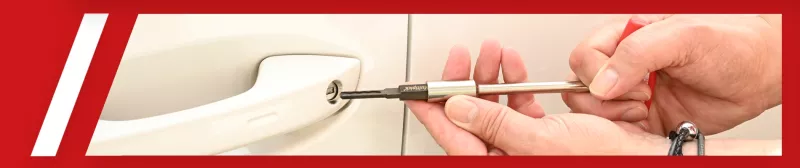
This is not just a theoretical consideration, but something grounded in real experience. One situation from our environment has stayed with us to this day. Many years ago, a colleague of ours demonstrated an automotive tool on a customer’s vehicle. It wasn’t some shady late-night parking lot scene where someone might get the wrong idea. It was simply a demonstration, in broad daylight, right in front of our office. Then a police car drove by. And in an instant, a completely normal work situation turned into something that, let’s put it this way, had the potential to become very uncomfortable. From the outside, it didn’t look like a product explanation or a professional demonstration. From the outside, it initially looked like someone tampering with a car. That’s exactly where the problem lies. The context is clear to those involved, but not to the observer. Only through explanation and by going into the office could it be clarified that it was indeed our colleague and a legitimate demonstration. The officers were still somewhat irritated in the end, because the situation simply appeared questionable at first glance. And to be fair, they weren’t wrong. It could just as easily have looked very different. Moments like these are instructive because they show how little it sometimes takes for a legitimate action to be misunderstood. Responsibility is therefore not only reflected in technical skill, but also in preparation, behavior, and common sense. It may not sound spectacular, but in everyday life it often matters more than any polished wording ever could.


Why we, as a manufacturer, take a closer look
For us, responsibility doesn’t end with material quality, manufacturing tolerances, or clean packaging. All of that matters, no question. But it’s not enough. Anyone who manufactures specialized tools knows that these products carry a certain presence, positive, but also potentially negative. They operate in a sensitive space. That’s exactly why we see it as our responsibility not only to build good tools, but to act with the necessary awareness. In concrete terms, this means we take a very close look at who receives certain tools and who does not. Not everyone who shows interest automatically gets everything from us. And no, this isn’t a symbolic gesture for appearances, it’s part of how we see ourselves. We look carefully. We weigh things up. And we make decisions not only based on whether something could technically be sold, but also on whether it should be. Why do we do this? Trust is built where a manufacturer shows that they understand the impact of their actions. It would be easier to simply sell and declare everything else a private matter. That’s not the path we want to take. Multipick stands for precision, but precision alone isn’t enough for us. Without a clear stance, even the best tool remains just a product. With that stance, it becomes something that can be used professionally without losing sight of the serious context in which it operates.
Why our tools are not the problem, but part of the solution
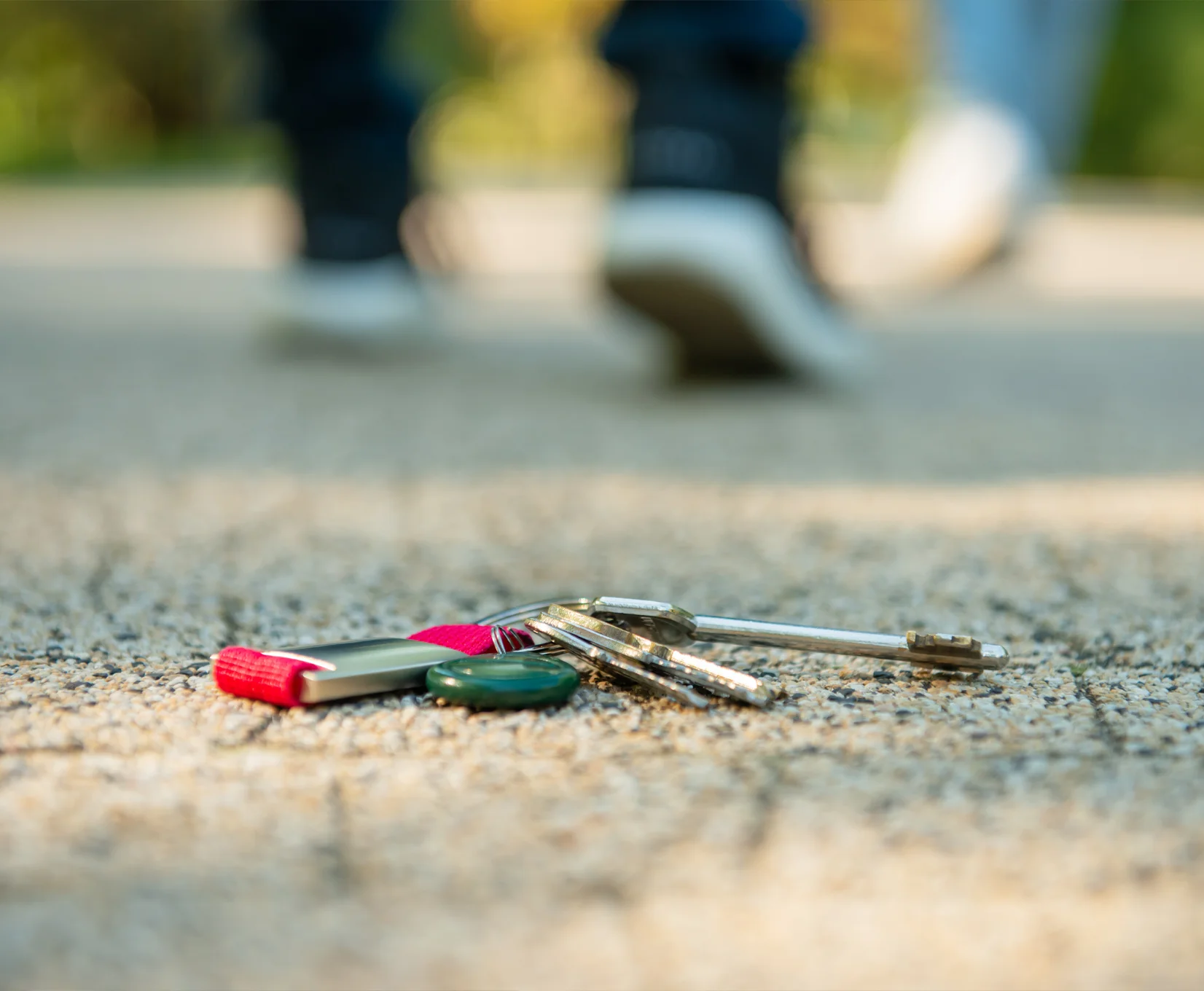
Anyone can lose their keys, it happens every single day. Someone stands in front of their own front door, their office, or their car and simply can’t get in. In those moments, it’s not about moral debates or abstract principles, it’s about getting back into what is rightfully yours. And in those situations, you’re grateful for someone who can help, someone who doesn’t poke around with a screwdriver, but works professionally with the right tools. And then there are the more serious cases. The mother who doesn’t respond behind the door. The father who has fallen. The elderly neighbor who suddenly doesn’t open anymore. The child who has locked themselves in. These situations are real, they happen, and they rarely happen at a convenient time. In those moments, you need people who can act. Fire departments, emergency services, professional opening services, trained operators. And those people need tools they can rely on. This is where the real point becomes clear. Our tools don’t exist because someone wanted to cater to a fantasy of a well-equipped burglar. They exist because there are real problems, real emergencies, everyday mishaps, and situations where fast, clean, and minimally damaging access is needed. That’s what matters to us. Not the reflex to immediately judge, but a clear-eyed view of reality. Good specialized tools help in situations where people are stuck, under pressure, or in the worst case, dependent on immediate assistance. Ignoring that means talking about the topic without considering real life at all.
Our stance at Multipick
We don’t want to be one of those manufacturers who hide behind carefully crafted wording. The topic is too serious for that, the responsibility too significant, and above all, too real. Multipick stands for tools that are professional, well thought out, and precisely manufactured. But we also want something else to come across, that we are fully aware of the responsibility that comes with them. We don’t want to be arbitrary. We don’t want to see everything purely as business. And we certainly don’t want to pretend that every request makes sense or that every purchase is automatically unproblematic. We believe that specialized tools belong in responsible hands. We believe that a manufacturer should not only supply, but also think ahead. And we believe that having a clear stance is not a disadvantage, but a necessity. Especially in a field where many are quick to judge, it matters to have a clear point of view.
In the end, it comes down to how they are used
Our tools are not just tools. They create possibilities. And with that come decisions, responsibility, sometimes pressure, sometimes relief, and in certain cases, real help in difficult moments. That’s why responsible handling of our tools is not a side note. It is at the very core of the topic. For our customers, who should act consciously and with clear intent. For us as a manufacturer, who must take a closer look. And for everyone who rightly expects a sensitive subject to be handled with care. We are convinced that this is how it should be discussed, openly, honestly, and with the seriousness it deserves. For you, this means above all: never use specialized tools carelessly. Pay attention to a clear purpose, secure storage, and situations that remain understandable even to outsiders. Responsibility doesn’t begin in a critical moment, it is reflected in every decision leading up to it.

FAQ – everything you need to know
1. Why is responsibility such a central issue when it comes to specialized tools?
Because specialized tools do not exist in a neutral space. They can be used in legitimate, professional, and sometimes even urgently necessary everyday situations, but they can also be misunderstood from the outside. That’s exactly why it’s not enough to talk only about quality or function. Responsibility begins where manufacturers and users understand that it’s not just the tool that matters, but also the purpose, the context, and the way it is handled.
2. When does responsible handling of such tools actually begin?
Not at the moment of use, but much earlier. Responsibility already starts with the question of why a tool is acquired in the first place, what it is intended for, and whether one’s own handling of it is transparent and appropriate. Those who take this seriously tend to act more thoughtfully, store tools more consciously, explain situations more clearly, and are less likely to end up in misunderstandings that are later wrongly attributed to the tool itself.
3. Why is a simple “responsible use” disclaimer often not enough?
Because such statements can quickly feel like a formality if they are not backed by a genuine mindset. A short standard phrase may sound proper, but it doesn’t address the real issue. Responsibility is not a decorative disclaimer for appearances, it is about concrete decisions. Those who sell, those who buy, and those who use these tools all need to confront the actual weight of that decision. Anything else would be a bit too convenient and ultimately too superficial.
4. Why can even a completely legal application suddenly appear problematic?
Because outsiders almost never know the full context. What is a normal demonstration, a legitimate service, or a professional activity for the user can quickly look suspicious from the outside. That’s an often underestimated point. Not every legitimate situation looks legitimate at first glance. That’s why preparation, a credible appearance, and the ability to explain one’s actions are essential parts of responsible handling.
5. What role does secure storage of specialized tools play?
A significant one. Responsibility is not only reflected in active use, but also in the time before and after. Specialized tools should not be left lying around openly, passed on carelessly, or treated like a curious collector’s item. Anyone who owns such tools should ensure they are only accessible where there is a legitimate purpose and where it is clear who has access. It is often in these seemingly unspectacular details that it becomes clear whether someone takes the topic seriously or merely pretends to.
6. Why do responsible manufacturers take a closer look at who they supply certain tools to?
A manufacturer who develops and distributes specialized tools knows that these products operate in a sensitive area. That’s why it sends an important signal when not every request is automatically fulfilled. Taking a closer look shows that it’s not just about making a sale, but also about understanding the implications, assessing the situation, and deciding whether supplying the tool in a given case is truly justifiable.
7. Aren’t specialized tools still problematic because they could be misused?
The potential for misuse can never be completely dismissed when it comes to sensitive tools, and it would be dishonest to pretend that concern doesn’t exist. What matters, however, is not to carelessly confuse the cause with the tool itself. The tool is not automatically the problem. The real issue is always the wrong purpose, the wrong use, and the wrong mindset behind it. Ignoring that distinction often leads to condemning exactly those tools that are needed in legitimate and sometimes urgent situations.
8. In which real-life situations do specialized tools show their legitimate value most clearly?
For example, when people are standing in front of locked doors and need help quickly. That could be a lost house key, a slammed office door, or a locked car. It becomes even clearer in more serious situations, such as when a family member doesn’t respond, an elderly person may have fallen, or a child is locked inside. In those moments, it’s not about abstract debates, it’s about fast, professional assistance with as little damage as possible. That’s exactly why the right tools are needed in trained hands.
9. What does transparency mean for customers when handling specialized tools?
Transparency means that, if necessary, the use of the tool can be explained and understood. Anyone working within a professional, technical, or otherwise clearly legitimate context should be able to justify why a tool is being used and what is happening. Especially in a sensitive field, it makes sense not to let situations appear unnecessarily ambiguous. You could also say that responsibility is often simply the smarter approach, before others start forming their own version of the story.
10. What is the most important takeaway for users?
Specialized tools should never be used thoughtlessly. What matters is a clear, legitimate purpose, secure storage, conscious handling, and an approach that remains understandable even to outsiders. Responsibility doesn’t only show itself when something goes wrong. It shows itself beforehand, in every single decision. That’s exactly where professional conduct separates itself from carelessness, and where a sensitive tool becomes a meaningful and properly used instrument.
About the Author
Lars Buchwald has been an integral part of the Multipick team since 2006, where he dedicates his passion and expertise to marketing and graphics. As a trained graphic designer and copywriter, he brings a wealth of experience and creativity to his work, which enables him to convey the messages of the ingenious tools in an appealing and convincing way. With a keen sense for the needs of the target group, he steers Multipick's marketing fortunes. His commitment is characterized by a high degree of sensitivity and the right richer at the right time.
As a native of Bonn, Lars not only has close ties to the region, but has also firmly integrated his passion for marketing spear tools into his professional work. His attachment to the city is reflected in his work and gives his marketing campaigns an authentic, Bonn touch.
Related Articles
Burglary Protection Myths
That only happens to other people …
Lockpicking Across the EU
Lockpicking in the EU: Differences in National Laws – and What Really Happens
Locksmith Services – A Good Reputation Opens Doors
"You're honest, aren't you?" – A Question Loaded with Meaning
About Multipick
Multipick was established here in Bonn in 1997 and has had its headquarters and production facilities here on the Rhine ever since.
Why should we leave here? Anyone who has been here before will agree that it is a very beautiful place and that the people are ‘typically Rhineland’, open-minded and friendly. From an early stage, we began to occupy ourselves with a wide variety of entry tools. We tried out lock snappers and core extractors such as the Bell and gathered a wealth of experience with a wide variety of tools. Whether it was a lock pick set or special tools for fire brigades and locksmiths, in the end the door or window had to be opened. In line with the motto, you got the problem and we got the solution.
Many tools, irrespective of hobby or professional, are dispatched from our warehouse to destinations throughout the world.
Opening tool kits for caretakers and locksmiths, pick sets and lock picking accessories for Locksport enthusiasts and Hobbs hooks for specialists to unlock locked safes. There are thousands of different ways to deploy our specialised tools. Our TFG latch plates and key turners allow a closed door to be reopened. QA Pro 2 and our V-Pro core pulling screws can be used to open a locked door. We also offer milling burrs and drill bits for those situations where there really is no other way. Many useful aids such as MICA opening cards, wedges, door latch spatulas, door handle catches and spiral openers, which are all useful tools to help you get the job done. But even if things get a bit complicated, you are in good hands with us. Products such as the Kronos and Artemis electric picks are our top highlights. Anyone who likes to open dimple locks or disc locks will be delighted with the ARES system. For opening windows, we offer you a range of top products from Kipp-Blitz. Favoured by emergency services such as the fire brigade, THW (Federal Agency for Technical Relief) and police. Many of our tools are manufactured in-house. This gives us the liberty to manufacture quickly and in a customer-orientated manner. No lengthy supply chains and subcontractor dependencies. This has a number of advantages both for you and, of course, for our environment. One big advantage is that you get everything from a single source, enabling us to offer you consistent quality. This is also our promise to you, all from a single source, Made in Germany, Made in Bonn - promised.

